Establishing a hospital-wide core facility
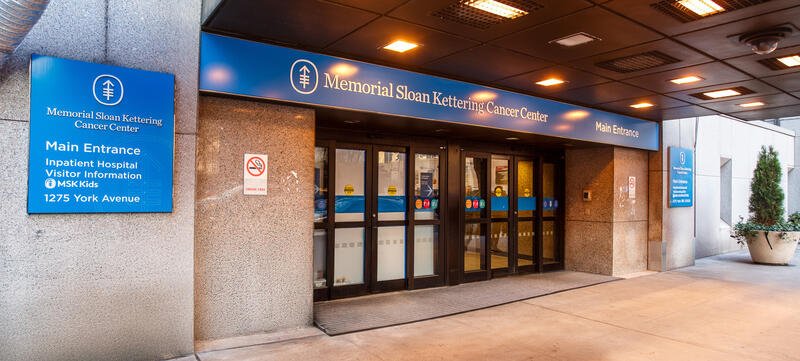
I helped establish the Lucille Castori Center for Microbes, Inflammation, and Cancer at Memorial Sloan-Kettering Cancer Center in 2010. This unique translational research lab specializes in studying the human microbiota and the pivotal role these microbes play in human health and disease. As the inaugural laboratory manager, I built the Castori Center’s operations from scratch: I developed protocols to extract and sequence microbial DNA from human gut and lung tissues, analyzed microbiome composition data, managed technical staff, facilitated collaborations with investigators both within MSKCC and at other institutions, and prepared grant applications and manuscripts for publication.
Inaugural research published by Castori Center researchers found certain antibiotics deplete a person’s native gut microbes enough so that harmful bacteria can dominate their intestines and in some cases enter the bloodstream, which can be fatal. In 2020, research published by Castori Center co-founder Joao Xavier showed a definitive link between microbes and the makeup of the human immune system for the first time.
Pioneering multimedia storytelling
In my role on the media relations team at the American Geophysical Union, I pioneered multimedia storytelling approaches that expanded how AGU communicated complex Earth and space science results across digital, visual, and traditional media. I built a video program to highlight science results visually; established and led the production of AGU’s podcast Third Pod from the Sun; and developed trainings to help scientists improve their communications and content creation skills. My multimedia work greatly expanded AGU’s reach through increased media mentions and social media engagement; the video content I produced, which ranged from simple explainers to detailed narratives, has collectively received more than 3.5 millions views on YouTube. Eight videos I produced have more than 100,000 views on YouTube each.
Re-designing an orientation plan for scientists and staff deploying to Antarctica
The United States Antarctic Program transports about 3,000 people to and from Antarctic research stations every year. Orientation is in incredibly detailed and extensive process, especially for newcomers to the program, because there is so much information to absorb: what to pack, how to prepare for an extended stay away from home, what to expect at each stage of the journey, the international rules and regulations governing life ‘on the ice,’ protocols for minimizing exposure to covid-19, and much more.
In my role as Antarctic Communications Editor, I implemented new orientation protocols and developed new informational materials for deploying scientists and staff. My goal was to pick out the most important information participants needed to know and present it in an order that makes sense and that is easy to remember. I led monthly virtual meetings for program participants to hear from USAP leadership and ask questions; I provided much-needed logistical information to participants during their stay in Christchurch, New Zealand, regarding their flights to Antarctica and picking up cold weather gear; I developed a social media guide for those wanting to post content from the ice; and I facilitated Facebook groups to share deployment timeline updates and for participants to ask each other questions, get to know each other before deploying, and for experienced participants to share advice with newcomers.

Creating a centralized communications help desk
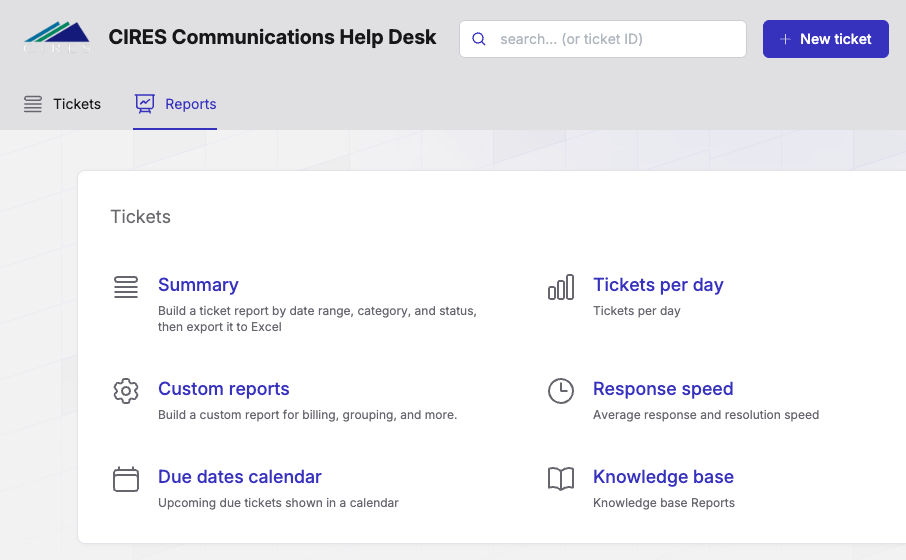
The communications team at CIRES receives frequent support requests from institute researchers and staff, ranging from event photography to promoting events and creating scientific illustrations. In my role as Acting Communications Director, I worked with CIRES IT staff to create a communications help desk – an online system for institute staff to submit communications requests of any type. This system allows us to track requests, see progress, communicate directly with requestors, and more. With this innovation, the communications team can better and more effectively serve the needs of the CIRES community.